How to take care of your skin at different stages of life?

Skin care is a dynamic and multidimensional process. With age, the skin undergoes a series of changes that result from both internal factors (genetics, hormonal balance, metabolism) and external factors (UV radiation, pollution, lifestyle). Understanding the specific needs of the skin at each stage of life allows not only to care for it more effectively, but also to take care of overall health and well-being. Below is a detailed discussion of skin care in each decade of life: from the 25th, through the 35th and 45th, to the 50th year of life and beyond.

Skin at the age of 25 years

What happens to the skin?

At around the age of 25, the skin reaches its peak condition. It is usually firm, smooth, and elastic, and the production of collagen and elastin remains at a high level. Sebaceous glands work intensively, providing a protective hydrolipidic film.

Causes of changes

The first, although invisible to the naked eye, processes of skin aging begin at this stage. The key initiating factors are:

  1. Oxidative stress caused by the action of free radicals
  2. UV radiation - so-called photoaging
  3. Inadequate diet and lack of sleep
  4. Initial hormonal fluctuations

Symptoms

  1. The skin may show a tendency to become oily or dry, especially in the T-zone.
  2. Initial fine mimic wrinkles around the eyes and mouth, so-called "crow's feet".
  3. Skin fatigue, loss of radiance, occasional discoloration.

Holistic care

At this age, it is crucial to implement basic skincare:

  1. Cleansing - gentle, not disrupting the protective barrier
  2. Moisturizing - light creams, gels, serums with hyaluronic acid
  3. UV protection - daily use of creams with SPF 30+
  4. Healthy lifestyle - balanced diet rich in antioxidants, physical activity, stress avoidance, and avoiding stimulants
  5. Regenerative sleep - a minimum of 7-8 hours per day
  6. It is worth introducing elements of preventive care at this time, such as vitamin C or retinol serums (in low concentrations).

Skin at the age of 35

What happens to the skin? 

After age 35 the skin gradually begins to lose its natural firmness. Collagen and elastin production declines, more pronounced expression wrinkles appear, and the first signs of volume loss become visible. 

Causes of these changes 

  1. Progressive biological aging 
  2. Accumulation of sun damage from earlier years 
  3. Decreased estrogen levels 
  4. Oxidative stress and free radicals 
  5. Chronic stress, lack of sleep, a diet low in nutrients 

Symptoms 

  1. Pronounced wrinkles around the eyes, mouth, and on the forehead 
  2.  Dark circles and puffiness under the eyes 
  3. Uneven skin tone, initial discoloration 
  4. Loss of radiance, dryness, and skin laxity 

Holistic skincare 

  1. Skincare should be more advanced at this stage: 
  2. Use of serums with retinol, peptides, vitamins C and E, AHA/BHA acids (in moderation) 
  3. Nighttime regeneration – richer creams with nourishing ingredients, ceramides, and plant butters 
  4. Facial massages that stimulate microcirculation and lymphatic drainage 
  5. Regular exfoliation, gentle enzymatic or acid peels 
  6. Avoiding alcohol, cigarettes, and highly processed foods 
  7. Taking care of mental health – calming practices, meditation, mindfulness 
  8. Don't forget daily SPF protection. 

Skin at age 45

What happens to the skin? 

Around the age of 45 the changes become even more noticeable. The skin loses firmness and elasticity, and the facial contour begins to sag. There is a slowdown in natural cell renewal and a decrease in hyaluronic acid content, which makes the skin thinner and more prone to dryness. 

Causes of changes 

  1. Menopause and the associated drops in hormone levels 
  2. Reduced microcirculation and slower regeneration 
  3. Accumulation of external factors (smog, UV, prolonged stress) 
  4. Deficiencies of vitamins and minerals 

Symptoms 

  1. Deepening lines and creases 
  2. Loss of cheek volume, sagging of the facial contour 
  3. Dry, rough skin with a sallow complexion 
  4. Sensitivity to external factors 

Holistic care 

Age 45+ requires a comprehensive approach: 

  1. Use of creams rich in active ingredients for day and night (retinol, phytohormones, coenzyme Q10, peptides, ceramides) 
  2. Treatments that support skin reconstruction (mesotherapy, microneedling, biostimulators) 
  3. Sun protection throughout the year 
  4. Dietary supplementation (omega-3 fatty acids, vitamin D, collagen, phytoestrogens) 
  5. Physical activity, regular movement, walks in the fresh air 
  6. A balanced diet rich in protein, vegetables, healthy fats 
  7. Balancing the hormonal system – consultation with a specialist 

Skin at age 50+

What happens to the skin?

After the age of 50, the skin aging processes accelerate significantly. There is a noticeable loss of subcutaneous fat, the skin becomes thin, dry, and saggy. More discolorations, telangiectasias (dilated blood vessels), and pigmented spots may appear.

Causes of changes

  1. Significant decrease in estrogen and progesterone levels
  2. Intensified glycation processes of skin proteins (damage to collagen fibers)
  3. Decrease in lipid synthesis and hydration
  4. Accumulation of environmental damage: UV radiation, smog, toxins
  5. Changes in skin microbiome, decreased immunity

Symptoms

  1. Deep wrinkles and furrows
  2. Noticeable sagging of the facial contour
  3. Numerous pigmented spots, discolorations
  4. Roughness, skin dryness
  5. Tendency to irritation and slower healing

Holistic care

At this age, skin care should be the most intensive and individualized:

  1. Use of nourishing, regenerating creams and serums (retinoids, peptides, antioxidants, fatty acids, niacinamide, vitamin E)
  2. Intensive salon treatments: facelifts, radiofrequency, laser therapy, volumetry
  3. Skin protection against sun and pollution
  4. Supplementation – vitamins, minerals, collagen, probiotics, phytoestrogens
  5. Rich diet, adequate fluid intake, avoidance of stimulants
  6. Supporting mental health – family support, intellectual activity, relaxation
  7. Caring for the skin microbiome – gentle cleansing, probiotics
  8. Consultations with specialists (dermatologist, endocrinologist, dietitian)

The impact of external factors and lifestyle on skin condition

Regardless of age, a broadly understood lifestyle is crucial:
  1. UV radiation: causes photoaging, discoloration, and DNA damage to skin cells.
  2. Environmental pollution: intensifies oxidative stress and accelerates aging processes.
  3. Diet: rich in vitamins, minerals, and antioxidants supports healthy skin, while poor eating habits worsen its appearance.
  4. Stress and sleep: chronic stress and lack of sleep disrupt regeneration, worsen skin tone, and elasticity.
  5. Physical activity: improves microcirculation, oxygenates skin tissues.
  6. Substances: alcohol and cigarettes contribute to skin dryness and accelerate wrinkle formation.

Anti-wrinkle care and prevention - IDO LAB approach

Copper Peptide Serums and Creams – Fighting Visible Signs of Aging

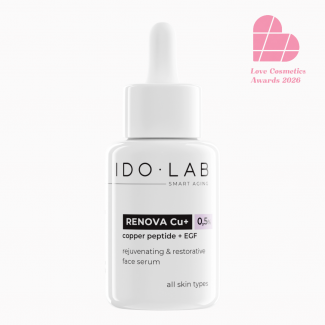
RENOVA Cu+ – serum with a complex of copper peptides that stimulates collagen and elastin production, improves skin firmness, smooths wrinkles, and accelerates regeneration. Effects after 30 days: hydration +15%, firmness +7%, wrinkle depth reduced by 5%, wrinkle severity decreased by 11%.

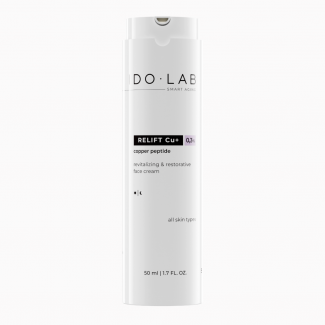
RELIFT Cu+ – cream based on copper peptides, ceramides, and amino acids that intensely firms, smooths, and supports regenerative processes. Ideal for mature skin in need of revitalization.

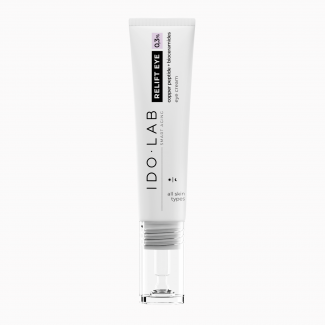
RELIFT EYE – eye cream with copper tripeptide that aids in the regeneration of delicate skin around the eyes, reducing fine lines and improving firmness.

Anti-wrinkle and lifting serums and creams

B-TOX INTENSE - serum with DMAE citrate and amino acid complex, improves skin tension and elasticity, smoothes facial contours, reduces fine lines. Effects after 30 days: hydration +11%, firmness +6.2%, wrinkle reduction -3%, wrinkle depth reduction -8%. 

VELVET BOOST - smoothing serum with Enantia Chlorantha bark extract and oleanolic acid, improves skin structure, reduces roughness and wrinkles, moisturizes and soothes irritations. 

RESHAPE - anti-gravity cream against menopausal signs, stimulates cell renewal, boosts collagen and elastin synthesis, strengthens microcirculation and hydrolipid barrier.  

Creams and serums with revitalizing and rebuilding action

RENEW INTENSE - night cream rich in ceramides, rose oil, oat beta-glucan, resveratrol, and niacinamide, improves skin density, rebuilds the lipid barrier, and inhibits the action of free radicals.

REVIVE FORTE - day cream based on niacinamide and resveratrol, intensely moisturizes, firms, and brightens tired skin.

HYA BOOST - serum with hyaluronic acid of different molecular weights, comprehensively moisturizes, restores radiance, and reduces the visibility of wrinkles.

Eye area care

B-TOX EYE - anti-wrinkle serum for the reduction of "crow's feet", bags, and dark circles under the eyes.

TRI-PEPTIDE EYE CREAM - a rich lifting cream with biomimetic peptides, caffeine, and resveratrol that tightens and brightens the eyelid skin, reduces puffiness and signs of fatigue.

RELIFT EYE - eye cream with 0.3% copper peptide, which intensively supports the regeneration of delicate skin around the eyes, visibly improves its firmness, reduces fine lines, strengthens the natural protective barrier, reducing signs of fatigue and puffiness.

Skin prevention and support at any age

IDO LAB offers products that fit into holistic skin care at every stage of life - from prevention to intensive regeneration. Concentrated formulas counteract the first signs of aging, strengthen the hydrolipid barrier, and support the skin's natural repair processes, which is in line with the principle of an individual approach to care.

Creams and serums with niacinamide, ceramides, fatty acids, and antioxidants - support protective functions, moisturize and smooth the skin, counteract the formation of first wrinkles and discoloration.

Sun protection - ILUMENA SOL SPF 50+ - lifting cream with very high protection against UVA/UVB and blue light, prevents photoaging, loss of firmness, and the development of discoloration.

Care for sensitive and couperose skin - products with vitamin B12, beta-glucan, ceramides, and phytocomplexes strengthen the hydrolipid barrier, protect against irritations, and support the skin's microbiome.

FAQ – Anti-aging skincare and skin prevention at any age

  1. How do external factors affect the condition of the skin? UV radiation, environmental pollution, temperature fluctuations, or smog can accelerate aging processes, cause discoloration, damage the DNA of skin cells, and intensify oxidative stress. Regular sun protection and skin cleansing are key in preventing skin changes. 
  2. How can lifestyle support or harm skin health? A diet rich in antioxidants, vitamins, and minerals, regular physical activity, adequate sleep, and stress management positively influence the appearance and functioning of the skin. Bad habits, substance abuse, or chronic stress can lead to deterioration of skin tone, elasticity, and promote the formation of wrinkles. 
  3. Does the skin microbiome matter in daily skincare? The skin microbiome, a set of microorganisms living on its surface, is responsible for maintaining its health, resistance to irritations, and supporting regenerative processes. Gentle care, avoiding aggressive detergents, and supporting the microbiome through probiotics help maintain skin balance. 
  4. When is it worth consulting a specialist? In case of chronic skin problems such as acne, excessive dryness, discoloration, allergic reactions, or rapid aging changes, it is worth seeking advice from a dermatologist, endocrinologist, or dietitian. Specialized consultation allows for selecting appropriate prevention and treatment. 
  5. What are the key principles of holistic skin care? Holistic care involves not only selecting the right cosmetics but also conscious care for mental and physical health, lifestyle, and prevention. Skin at every age requires an individual approach, and the key to success is the harmony of body and soul - regular protection, regeneration, and support tailored to the body's needs. 
  6. Why is prevention important from a young age? Early implementation of preventive measures helps maintain skin health for longer, delay the appearance of aging signs, and reduce the risk of problems such as discoloration or loss of firmness. Even simple habits like sun protection or moisturizing are crucial for long-term radiant appearance. 
  7. What symptoms may indicate skin function disorders? Alarming symptoms include dryness, flaking, redness, loss of firmness, appearance of discoloration, or excessive sensitivity to external factors. Such signals may indicate the need to change the skincare routine or consult a specialist. 
  8. How to care for sensitive and couperose-prone skin? Sensitive and couperose-prone skin requires gentle cleansing, soothing irritations, strengthening the hydrolipidic barrier, and avoiding aggressive ingredients. It is worth following skincare routines focused on rebuilding and soothing, as well as protecting the skin from extreme environmental conditions. 

Summary

The IDO LAB offer provides a wide range of possibilities for creating individual anti-wrinkle care rules and skin prophylaxis at any age. Selected products - from advanced peptide serums, through ceramide creams, to sun protection - support both the fight against existing wrinkles and prevent the formation of new changes, ensuring healthy, radiant, and younger-looking skin. 

Sources of information

  1. Nowicka, M. – Skin Care for Mature Skin. The Role of Peptides in Cosmetology, MedPharm Publishing, 2021. 
  2. Kowalska, A. – Prevention of Skin Aging in Dermatological Practice, "Aesthetic Dermatology", vol. 17, no. 2, 2023. 
  3. Zieliński, T. – Guide to Biomimetic Peptides in Cosmetics, "Cosmetology and Medicine", 2022. 
  4. Pawlak, R. – Holistic Approach to Skin Care: From Microbiome to Antioxidants, PZWL Medical Publishing, 2020. 
  5. Smith, M., Jones, L. – Copper Peptides in Skin Care: Scientific Evidence and Clinical Practice, "Journal of Cosmetic Dermatology", 2021. 

Related products

Product added to wishlist