Photodermatosis – causes, symptoms and prevention

Photodermatosis is a group of skin diseases caused by an excessive or abnormal response to exposure to ultraviolet (UV) radiation or visible light. These diseases can be primary (conditioned by congenital predispositions or skin reactivity) or secondary (caused by external substances, drugs or systemic diseases). Nowadays, with the growing awareness of the risk associated with UV radiation, more and more attention is paid to pathomechanisms, diagnostics and effective methods of photodermatoses.

What is photodermatosis?

Photodermatosis is a broad category of disorders that have a common featurethey appear or worsen in areas of the skin exposed to sunlight or artificial UV light. The most common diseases in this group include, m.in, polymorphic light eruption (PMLE), light urticaria, chronic sun lesions, photoallergic and phototoxic reactions, as well as rarer diseases such as porphyria or cutaneous lupus erythematosus.

What are the key causes of photodermatosis?

The causes of photodermatosis are complex and depend on the type of disease. They can be divided into several main categories: 

1. Genetic and immunological predisposition 

  1. Polymorphic light eruption (PMLE): The most common of photodermatoses, its etiology is not fully understood, but it is considered to be the skin's immune response to UV. 

  1. Autoimmune diseases: Some, such as lupus erythematosus, are characterized by hypersensitivity of the skin to light due to disorders of the immune system. 

2. Exogenous substances 

  1. Photosensitisers: Some antibiotics (e.g. tetracyclines), anti-inflammatory drugs, thiazide diuretics or antidiabetic drugs can cause phototoxic or photoallergic reactions. 

  1. Cosmetics and chemical products: Certain perfume ingredients, dyes, essential oils can cause a photoallergic reaction, leading to skin changes after sun exposure. 

3. Metabolic disorders 

  1. Porphyria: Diseases associated with a disorder of porphyrin metabolism that lead to excessive sensitivity of the skin to sunlight. Even small exposure can cause serious damage to the skin. 

  1. Congenital enzymatic defects: Such as xeroderma pigmentosum, where the skin is unable to properly repair DNA damage caused by UV radiation. 

4. Idiopathic reactions and other causes 

In many cases, especially in polymorphic light flu, it is not possible to clearly determine the cause. Environmental factors and individual skin sensitivity are thought to play a key role here.

How to recognize photodermatosis?

The symptoms of photodermatosis are varied and depend on the type and severity of the disease. Most often they concern places exposed to sunlight – face, neck, cleavage, arms, forearms and the backs of the hands. 

  1. Skin eruptions: They can be in the form of papules, blisters, erythematous spots, urticaria or erosions. The lesions are often itchy, burning or painful. 

  1. Edema: Some people develop swelling on the face, eyelids or lips, especially in light urticaria. 

  1. Hyperpigmentation and discoloration: Chronic exposure to light in people with photodermatoses can lead to permanent skin discoloration or discoloration. 

  1. Peeling of the skin: It often occurs after the acute lesions have subsided, especially in phototoxic reactions. 

  1. Scarring: Less commonly, in more severe cases, chronic exposure can lead to scarring. 

Some symptoms appear immediately after exposure (phototoxic reactions), otherseven several hours after contact with light (e.g. PMLE, photoallergic reactions). 

The most common diseases 

  1. Polymorphic light eruption (PMLE): Manifests as a lumpy, itchy rash that appears several hours after sun exposure. 

  1. Urticaria Radicula: Characterized by the sudden appearance of itchy wheals within the skin exposed to light. 

  1. Phototoxic reactions: Rapidly appearing erythematous lesions, blisters, resembling sunburn, usually after contact with a sensitizing substance and exposure to UV light. 

  1. Photoallergic reactions: Eczema lesions, erythema, itching, sometimes with erosions, appearing even after a small dose of light.

Diagnosis of photodermatosis

The diagnosis of photodermatosis is based on a thorough medical history, analysis of the nature and location of skin lesions, and often on provocation tests using UV light. Sometimes it is necessary to perform phototests and photopatch tests (patch tests with exposure to light), and in the case of suspected porphyria or other metabolic disorderslaboratory tests.

How to prevent photodermatosis?

Prevention of photodermatosis is crucial, especially for people in risk groups and those who have already experienced symptoms. 

1. Sun protection 

  1. Use of UV filters: Creams with a high protective factor (SPF 30 or higher, preferably also broad-spectral UVA/UVB), regularly applied, especially in spring and summer. 


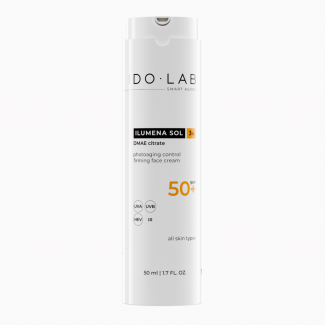
The use of ILUMENA SOL SPF 50+ cream in the prevention of photodermatosis is particularly recommended due to its multidimensional protective and caring effect. Thanks to the use of modern, photostable chemical filters, the product provides a very high and effective barrier against a wide spectrum of radiation – UVA, UVB and blue light (HEV). It is these types of radiation that are the most common cause of photosensitivity reactions and the development of photodermatoses, such as solar urticaria, discoloration or allergic lesions. 

It is worth reaching for ILUMENA SOL SPF 50+, because its advanced formula allows you to achieve a high level of protection even with a low concentration of active substances, significantly reducing the risk of irritationwhich is especially important for people with sensitive, reactive skin. The presence of gluconolactone strengthens the epidermal barrier, moisturizes and soothes, which additionally promotes the reconstruction and regeneration of skin exposed to sunlight. In turn, 3% DMAE Citrate improves its elasticity and supports the smoothing of wrinkles, while providing a firming effect. 

Regular use of ILUMENA SOL SPF 50+ not only effectively reduces the risk of photodermatosis symptoms, but also prevents premature skin aging, discoloration and loss of firmness. The light, non-bleaching formula is perfect as a make-up base, which makes it easy to implement effective prevention in any skincare routine on a daily basis. 


  1. Protective clothing: Wearing clothing made of dense material, wide-brimmed hats and sunglasses with a UV filter. 

  1. Avoid exposure during peak hours: The most dangerous hours are between 10:00 a.m. and 4:00 p.m., when UV radiation is at its highest. 

2. Avoiding photosensitizing substances 

  1. People taking medications or using cosmetics containing phototoxic or photoallergic substances should consult a doctor and, if possible, avoid sun exposure during therapy. 

3. Education and awareness 

  1. Knowledge of the risks of UV radiation, the warning signs of photodermatosis and the proper use of protective equipment is the key to effective prevention. 

  1. People with a history of photodermatosis should undergo regular dermatological check-ups, especially if they have other autoimmune or metabolic diseases. 

Summary

Photodermatoses are a heterogeneous group of skin diseases, the common denominator of which is hypersensitivity to sunlight or UV light. They are formed as a result of many factors, including genetics, environmental and chemical substances. Symptoms are varied and include skin lesions, discoloration, itching, and burning. Prevention plays a key role – adequate sun protection, avoidance of photosensitizing substances and education of both patients and medical staff. This makes it possible to effectively reduce the risk of photodermatosis and improve the quality of life of people at risk of this problem.

Frequently Asked Questions (FAQs) about photodermatoses

  1. What are photodermatosis? "This is a group of skin diseases in which exposure to sunlight or artificial UV radiation leads to the occurrence of unusual symptoms such as rashes, burning or swelling. 

  1. What symptoms should cause concern?Persistent or recurrent skin lesions (papules, blisters, erythema, itching) that appear on the skin after exposure to light, especially in the same areas. 

  1. Can photodermatosis be completely cured? "Most of these diseases are chronic, but proper prevention, avoidance of irritants and the use of dermocosmetics can effectively reduce their symptoms. 

  1. What products best protect against photodermatoses?Creams with a high UV filter (preferably SPF 50+), protective clothing, sunglasses and avoiding exposure during peak sun hours are recommended. 

  1. Who is most at risk of photodermatoses? – People with fair skin, children, people taking medications or having autoimmune diseases, and those who have already had photosensitivity reactions.

Sources of information

  • Kowalska M., Nowak A. "Photodermatosisdiagnosis and treatment." Advances in Dermatology and Allergology, 2019; 36(1): 1-10. 

  • Majewski S., Jabłońska S. "Phototoxic and photoallergic reactions." Dermatological Review, 2018; 105(3): 210-218. 

  • Goldsmith L.A. et al. Fitzpatrick’s Dermatology (9th ed.), McGraw-Hill Education, 2019. 

  • Photosensitivity and Photodermatoses” w: UpToDate, dostęp 20.07.2025. 

  • National Center for Biotechnology Information (NCBI): „Photodermatoses”, [URL] 

  • Schalka S., Paes F., et al. "Sun protectionpractical guidelines." Dermatology after graduation, 2021; 12(5): 35-42. 

  • European Academy of Dermatology and Venereology. „Guidelines on photodermatoses.” EADV, 2023. 

  • Lecha M., Serra-Guillén C. „Photodermatoses: Pathogenesis, Clinical Features, and Management.” Actas Dermo-Sifiliográficas, 2022; 113(4): 342-354.

Product added to wishlist